 How-to
Find Local Custom Car Interior Shop: A How-To Guide
Table of Contents
- What to Look for in a Custom Car Interior Shop
- How to Choose an Auto Upholstery Shop That Matches Your Needs
- Understanding Custom Car Upholstery Cost Estimates
- Evaluating Custom Audio System Upgrades for Cars
- Verifying Experience and Credentials
- Common Mistakes When Selecting a Custom Interior Shop
- Finalizing Your Decision and Next Steps
- Frequently Asked Questions
Last Updated: September 30, 2026
What to Look for in a Custom Car Interior Shop
When you're ready to invest in a custom car interior, the shop you choose makes all the difference. A quality custom car interior shop combines technical skill, material expertise, and attention to detail that transforms your vehicle's interior from functional to exceptional.
The best shops share several core characteristics. They maintain a climate-controlled facility to ensure materials stay stable during installation. They use vehicle-specific, new aftermarket parts rather than generic or used components. They have a portfolio of completed work you can review. They offer transparent communication about timelines and what to expect.
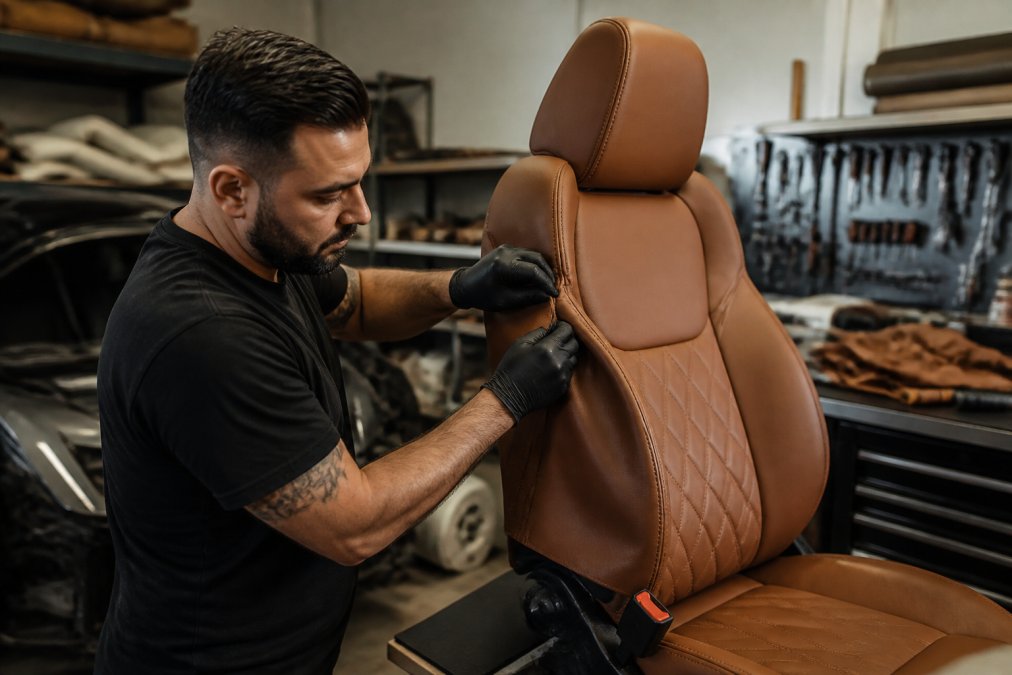
Experience matters significantly. A shop that's been doing custom work for over a decade understands the nuances of different vehicle types, materials, and design preferences. They've learned what works, what doesn't, and how to solve problems before they become expensive mistakes. At Platinum Auto Works, we've spent more than two decades perfecting these skills across everything from daily drivers to exotic imports.
Ask about their specific services. Do they handle seat repair and replacement? Can they do custom stitching patterns? Do they offer leather kits and trim kits? Can they handle door panel customization and headliner replacement? The more comprehensive their service menu, the more likely they can execute your complete vision without outsourcing to multiple shops.
How to Choose an Auto Upholstery Shop That Matches Your Needs
Choosing the right auto upholstery shop starts with understanding what you actually need. Are you restoring a classic car interior? Upgrading a daily driver? Installing two-tone leather in a luxury vehicle? Different projects require different expertise and capabilities.
Begin by defining your project scope clearly. Write down what you want changed: specific seats, door panels, dashboard upholstery, carpet installation, or a complete interior restoration. Include any special requests like custom embroidery, suede inserts, or unique stitching patterns. This clarity helps you communicate with shops and compare their responses accurately.
Research shops in your area thoroughly. Look for businesses with strong online reviews that specifically mention interior work quality. Pay attention to comments about turnaround time, communication, and whether the finished product matched expectations. Generic praise is less useful than detailed feedback about specific services.
Call or visit at least three shops. Ask about their experience with your vehicle type. A shop experienced with luxury vehicles might not have the same expertise with classic cars, and vice versa. Ask about their consultation process. Do they charge for design consultation? Do they offer a free estimate? How detailed is their estimate?
Understanding Custom Car Upholstery Cost Estimates
Custom car upholstery cost estimates depend on several factors, and understanding them helps you compare quotes fairly and avoid sticker shock. The biggest variables are material choice, labor intensity, and vehicle complexity, each deserves careful evaluation.
Material Selection and Cost Impact
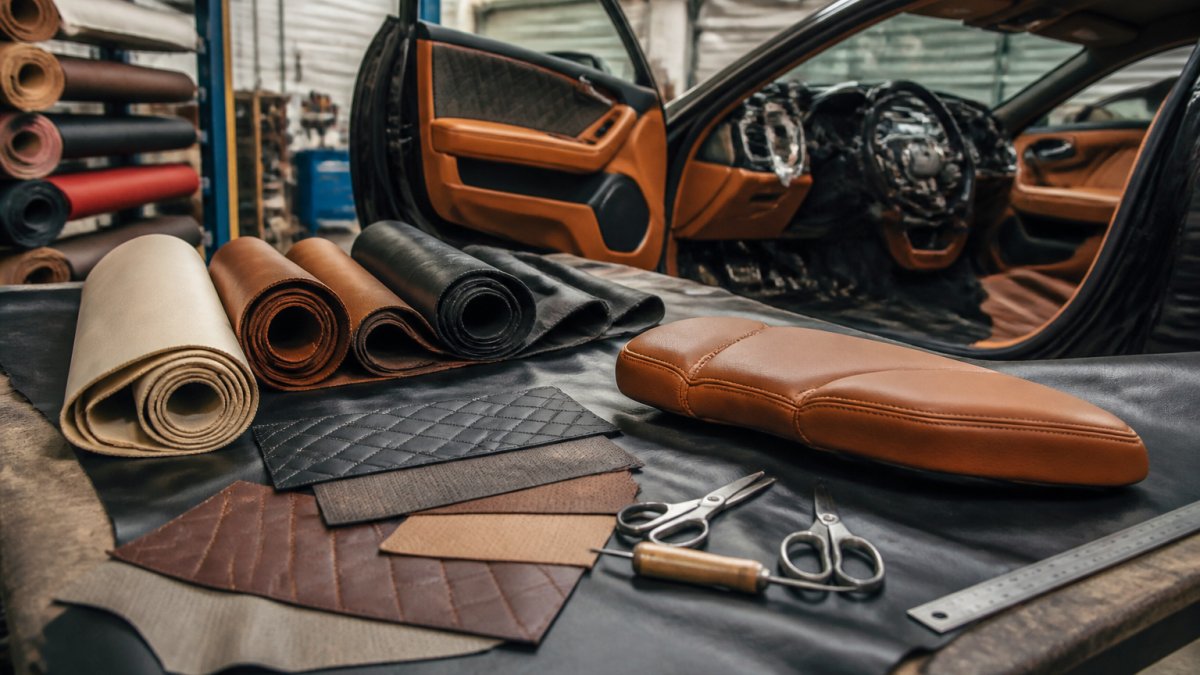
Material choice is typically the largest cost driver. Material choice is typically the largest cost driver. The specific type and grade of material, such as genuine leather, automotive-grade vinyl, or synthetic suede, will significantly influence the overall cost.
Beyond base material cost, combinations add expense. Two-tone designs, custom stitching patterns (such as diamond quilting, contrast thread, or embroidered logos), and the inclusion of suede inserts or accent panels all require specialized handling and increase both material and labor costs.
Durability and maintenance also affect true cost. Understanding the trade-offs between different materials helps you choose options that match your vehicle's use and your maintenance tolerance.
Labor Hours and Complexity
Labor intensity varies dramatically by project scope. A single seat repair, seat replacement, or a complete interior restoration, involving seat replacement, door panels, dashboard upholstery, carpet installation, and headliner replacement, can all require significant labor.
Vehicle type affects labor time significantly. Luxury vehicles with complex seat geometries, integrated electronics, or power seat mechanisms take longer to disassemble and reassemble. Classic cars with simpler interiors may take less time, but sourcing correct materials and matching original aesthetics can add hours. Vehicles with integrated infotainment systems or heated/cooled seats require careful electrical integration.
Custom design elements extend labor time. Custom stitching patterns, embroidery (logos, initials, or decorative patterns), foam cushion replacement or custom foam shaping, and headliner replacement are all labor-intensive processes.
Breaking Down a Realistic Estimate
A quality estimate itemizes costs clearly, detailing specific materials, labor, and any additional services.
This transparency lets you understand where money goes and identify where you might adjust scope. Choosing different materials or simplifying design elements can impact the overall cost. Understanding these trade-offs empowers you to make informed decisions rather than simply choosing the lowest bid.
Comparing Estimates Fairly
When reviewing multiple estimates, ensure they specify the same scope. One shop might include design consultation; another might charge separately. One might include removal and disposal; another might not. One might use OEM-equivalent foam; another might use budget-grade foam. These differences can account for significant price variation.
The cheapest estimate often reflects lower material quality, rushed installation, or inexperienced labor. A shop using lower-grade materials, skipping proper foam replacement, or rushing stitching work will produce visible defects. Repairs to poor-quality work can be costly, making initial 'savings' illusory.
Ask about payment terms and what happens if the project takes longer than estimated. Some shops charge hourly overages; others absorb minor overruns. Understand their policy before committing. A detailed written estimate protects both you and the shop by setting clear expectations upfront.
Evaluating Custom Audio System Upgrades for Cars
Custom audio system upgrades often accompany interior work, since you're already inside the vehicle. A quality custom audio system requires expertise in speaker placement, wiring integration, and sound tuning that goes beyond basic installation.
When evaluating audio upgrade options, start with your listening priorities. Do you want maximum bass impact? Crystal-clear vocal clarity? A balanced, reference-quality sound? Different systems excel at different things. A shop experienced in custom audio system upgrades can recommend components that match your preferences and budget.
Ask about installation quality. Will they run new wiring or use existing harnesses? Will speakers be mounted securely in custom fabricated enclosures? How will they integrate the system with your vehicle's existing electronics? Poor installation ruins even premium equipment.
Request to listen to completed installations if possible. Hearing how a shop's audio work sounds gives you confidence in their execution. Ask about warranty coverage on both equipment and installation labor.
Verifying Experience and Credentials
Before committing to any custom car interior shop, verify their actual experience and qualifications. This protects your investment and ensures your vehicle receives appropriate care.
Ask about their experience with your specific vehicle make and model. Different vehicles have unique interior layouts, electrical systems, and material compatibility requirements. A shop that specializes in your vehicle type understands these nuances. If they've worked extensively with vehicles similar to yours, they can anticipate problems and execute more efficiently.
Request references from previous customers with similar projects. A shop should be willing to connect you with people who've had comparable work done. Call these references and ask specific questions: Did the work match expectations? Was the timeline accurate? How was communication throughout the process? Would they return for future work?
Check for any relevant certifications or memberships in professional organizations. Automotive customization doesn't have standardized licensing, but membership in industry associations indicates commitment to professional standards. Some shops pursue training in specific techniques or materials.
Common Mistakes When Selecting a Custom Interior Shop
Many vehicle owners make predictable mistakes when choosing a custom car interior shop, and avoiding them saves time, money, and frustration.
The biggest mistake is prioritizing price over quality.
Finalizing Your Decision and Next Steps
Once you've narrowed your choices to one or two shops, take time to make your final decision. Trust your instincts about whether you feel confident in their capabilities and comfortable working with them.
Frequently Asked Questions
What should I look for when vetting a custom auto upholstery shop?
Check for experience with your vehicle type, request portfolio photos of completed work, verify they use vehicle-specific aftermarket parts, and ask about their warranty. A reputable shop should provide free estimates, explain their process clearly, and have verifiable customer references. Look for a climate-controlled facility and technicians who specialize in automotive interiors rather than general upholstery.
How much does a custom car interior typically cost?
Custom car upholstery cost estimates vary widely depending on scope, materials, and vehicle complexity. Seat reupholstery ranges from moderate to premium pricing, while full interior restoration with custom stitching, door panels, and trim upgrades costs significantly more. Request detailed quotes from multiple shops to compare pricing and what's included. Factors like genuine leather versus vinyl, custom embroidery, and turnaround time all affect the final cost.
What's the difference between repair and replacement for car interior components?
Seat repair addresses specific damage like torn leather or worn foam cushion, preserving the original structure and typically costing less. Replacement involves installing new seats or components entirely. For luxury vehicles, repair often maintains resale value and authenticity better than replacement. A qualified shop will assess whether your interior can be restored or needs full replacement based on damage extent and material condition.
How do I know if a shop actually uses quality materials and vehicle-specific parts?
Ask the shop to specify the exact materials they'll use, including whether leather is genuine, vinyl is automotive-grade, and parts are vehicle-specific. Request documentation or certification for materials. A trustworthy shop will provide samples, explain the difference between quality options, and guarantee they're not using knockoff parts. Review their portfolio for durability in finished work and ask how long their custom work typically lasts.