 Ultimate guide
Book Exotic Car Service: Complete Guide
Table of Contents
- Why Book Exotic Car Service at a Specialized Facility
- Understanding Exotic Car Maintenance Cost
- Exotic Car Service Intervals and Scheduling
- High-End Automotive Performance Upgrades
- What to Expect When You Book Your Service
- Last-Minute Booking and Availability
- Frequently Asked Questions
Last Updated: September 30, 2026
Why Book Exotic Car Service at a Specialized Facility
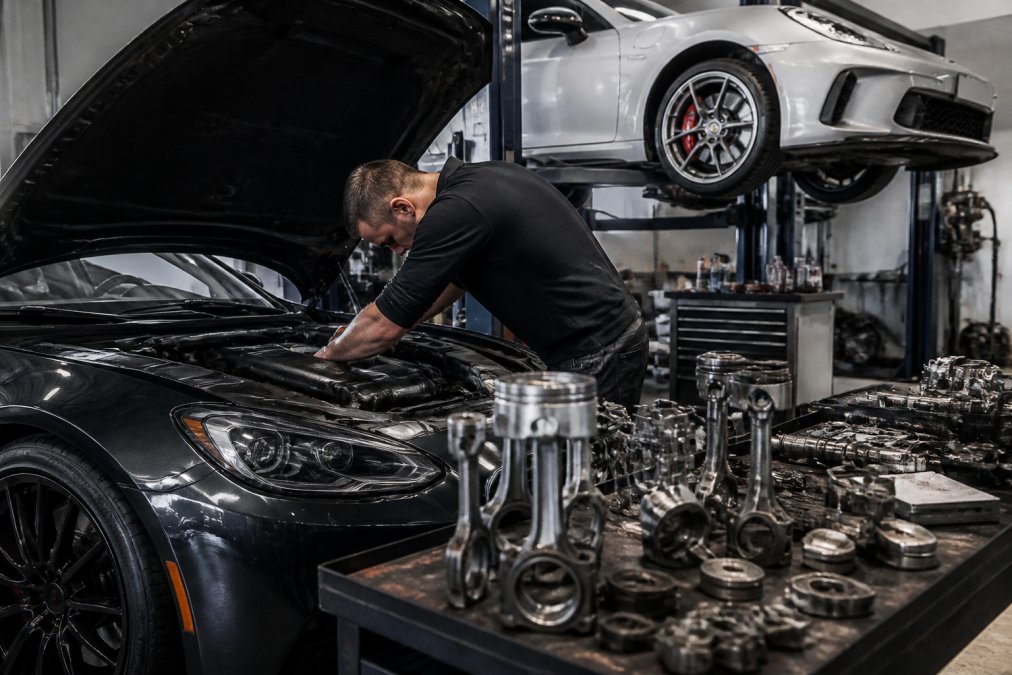
Exotic cars demand precision, specialized knowledge, and equipment that most general repair shops don't have. You should book exotic car service at a facility equipped to handle high-performance machines, not a quick-lube operation.
Platinum Auto Works has spent over two decades building expertise in exotic vehicle repair. Exotic vehicles use proprietary systems, performance-tuned components, and materials that require specific diagnostic tools and technical knowledge. A generalist shop will miss critical issues that could compromise your vehicle's performance or value.
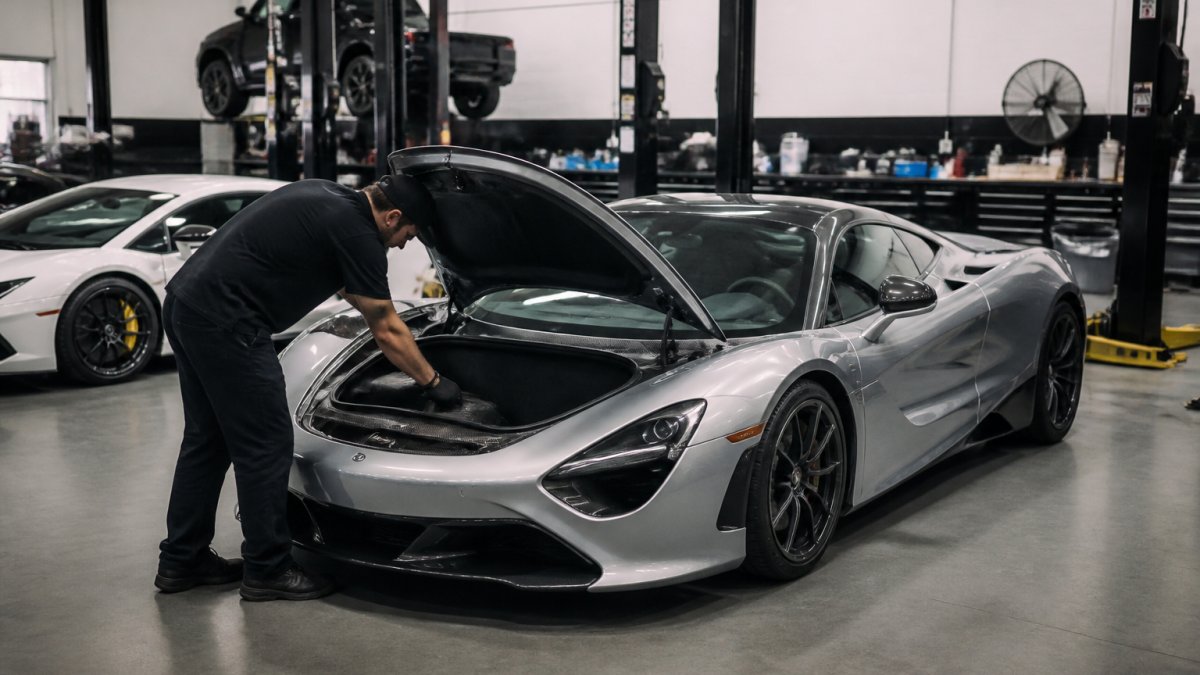
Specialized technicians understand the engineering philosophy behind exotic vehicles, which are engineered with tight tolerances. Climate-controlled environments prevent temperature fluctuations that affect precision work. Vehicle-specific aftermarket parts maintain engineering integrity; generic replacements compromise it.
Understanding Exotic Car Maintenance Cost
Exotic car maintenance costs more than standard service for concrete reasons: specialized diagnostics, vehicle-specific parts, expert labor, and complex disassembly.
Diagnostic work requires specialized tools costing tens of thousands of dollars to communicate with proprietary systems in Ferraris, Lamborghinis, and Porsches. When you book exotic car service, you're paying for access to equipment that works with your vehicle's systems.
Parts cost significantly more because exotic manufacturers don't use commodity components. Vehicle-specific aftermarket parts maintain performance characteristics; generic alternatives degrade performance and create liability issues.
Labor rates reflect expertise: specialized technicians prevent costly mistakes that could cost thousands to correct.
Service time is longer because integrated components require disassembly; work taking 30 minutes on a standard car might take three hours on an exotic.
Exotic Car Service Intervals and Scheduling
Exotic vehicles require tighter, more frequent service intervals than standard cars. When you book exotic car service, follow manufacturer specifications for high-performance machines.
Most exotic manufacturers recommend service every 5,000-10,000 miles because high-performance engines operate at higher stress levels, causing synthetic oils to break down faster and cooling and braking systems to work harder.
Time-based service matters even for infrequently driven vehicles: brake fluid absorbs moisture, fuel separates and gums injectors, batteries deplete, and tires lose pressure.
Many exotic owners schedule service twice yearly, regardless of mileage, focusing on preservation rather than wear.
When you book exotic car service, discuss driving patterns and climate with the technician. Heat, humidity, salt air, and cold climates all affect maintenance needs.
High-End Automotive Performance Upgrades
Performance upgrades on exotic vehicles require understanding how modifications affect the entire system, not just the single component being upgraded.
Common upgrades include suspension tuning, brake enhancements, and engine tuning. Modifying one system affects others: upgrading brakes without adjusting suspension geometry creates handling problems; tuning engines without upgrading fuel delivery risks failure.
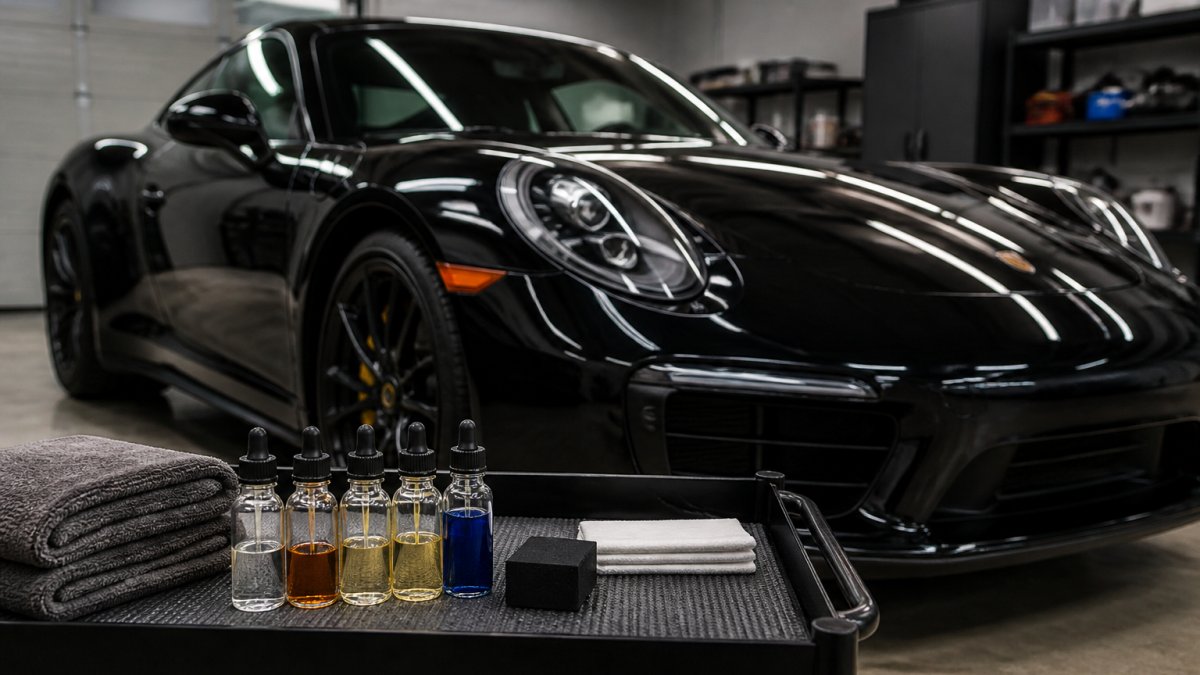
Aesthetic upgrades require precision: custom interiors must maintain structural integrity, audio integration must account for electrical architecture, and coatings require professional application.
High-end automotive performance upgrades are integrated modifications that enhance capabilities while maintaining reliability, requiring technicians who understand original engineering.
Vehicle-specific aftermarket parts integrate with engine management and suspension geometry. Generic parts might fit but won't perform the same way.
What to Expect When You Book Your Service
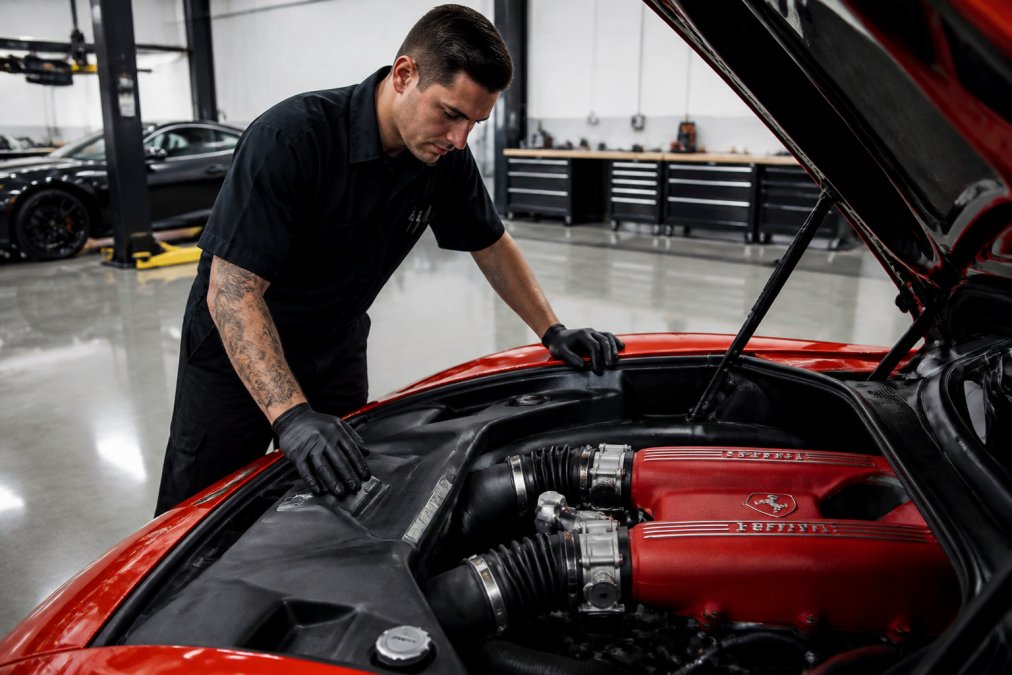
When you book exotic car service at a specialized facility, the process differs significantly from standard automotive repair. Understanding what happens, from initial consultation through pickup, helps you appreciate the level of attention your vehicle receives and prepares you for the logistics involved.
Initial Consultation and Documentation
The intake consultation discusses your vehicle's history, issues, driving patterns, and expectations. A car driven hard on track days needs different attention than one used for weekend drives.
The facility documents your vehicle's condition with photographs, establishing a baseline to clarify responsibility for any existing damage.
You'll also discuss service scope and timeline. Is this routine maintenance, diagnostic work, or a specific repair? Will service take one day or several? Will your vehicle need to stay overnight? Understanding the timeline helps you arrange transportation if needed.
Insurance and Liability Clarification
Before service begins, clarify insurance coverage and liability. Ask the facility what insurance they carry for customer vehicles in their care. Most reputable exotic service facilities carry comprehensive general liability insurance and garage keepers liability insurance, which covers vehicles on their premises. Request documentation of their coverage limits.
Discuss whether your personal auto insurance policy covers the vehicle while it's at the service facility. Many policies do; some have exclusions or require notification. If your policy has a deductible, understand whether you or the facility pays it if damage occurs during service. Some facilities offer optional service-related damage waiver coverage for a small fee, protecting you from deductible responsibility.
For high-value exotic vehicles, this conversation is critical. A Ferrari or Lamborghini represents a significant asset. Knowing exactly who is liable if something goes wrong during service, and what insurance backs that liability, gives you confidence and legal clarity.
Comprehensive Diagnostics and Inspection
Next, comprehensive diagnostics run on all vehicle systems. Specialized diagnostic equipment communicates with your exotic's proprietary systems, reading data that reveals wear patterns, fluid conditions, and component health. This isn't a simple computer scan; it's a detailed analysis that identifies issues before they become problems.
The technician then performs a visual inspection of all accessible components. This includes checking fluid levels and condition, examining belts and hoses for wear, inspecting brake pads and rotors, and assessing suspension components. For exotic vehicles, this inspection is meticulous because small issues compound quickly in high-performance machines.
After diagnostics and inspection, the facility provides a detailed report. This report lists all findings, categorizes them by urgency (immediate, recommended, future consideration), and provides cost estimates for any recommended work. You review this report before authorizing any repairs beyond what you originally requested. This transparency prevents surprise charges and keeps you in control of your service budget.
Vehicle-Specific Aftermarket Parts and Sourcing
When service requires component replacement, the facility sources vehicle-specific aftermarket parts designed for your exact model. These parts maintain the performance characteristics and reliability standards the manufacturer engineered. Installation uses procedures specific to your vehicle, not generic automotive techniques.
Quality parts matter because they're engineered to work within your vehicle's systems. A belt tensioner designed for your engine's specifications maintains proper tension. A gasket manufactured for your model seals correctly under your engine's operating pressures. Brake pads formulated for your braking system's heat characteristics stop the car predictably.
For parts that must be ordered, the facility provides a timeline.
Climate-Controlled Facility and Service Environment
The facility environment itself affects service quality. A climate-controlled workspace maintains consistent temperature and humidity. This matters because precision work requires stable conditions. Metal components expand and contract with temperature changes. Adhesives and sealants cure properly only within specific temperature ranges. Humidity affects electrical connections and corrosion rates.
Service Completion and Quality Assurance
Once service is complete, the facility performs a final inspection and test. For mechanical work, this includes a test drive to verify proper function. For diagnostic work, systems are re-scanned to confirm issues have been resolved. For maintenance service, fluid levels are rechecked and all components are verified as properly installed.
Last-Minute Booking and Availability
When you need to book exotic car service quickly, whether for a wedding, gala, track event, or unexpected mechanical issue, understanding realistic lead times and availability windows prevents disappointment and ensures your vehicle is ready when you need it.
Lead Time Expectations by Service Type
Diagnostic appointments often have the shortest lead times. A comprehensive diagnostic scan to identify warning lights, fluid conditions, and system health can typically be scheduled within 24-48 hours at most specialized facilities. This type of appointment requires 1-3 hours and doesn't depend on parts availability, making it ideal for urgent situations.
Pre-Event Inspection Packages
Many exotic owners schedule a pre-event inspection 1-2 weeks before a significant occasion. This appointment focuses on reliability assurance rather than comprehensive maintenance. The technician checks all fluid levels and conditions, inspects brake system function, tests lighting and electrical systems, verifies tire pressure and condition, and reviews any warning indicators. A pre-event inspection typically takes 2-3 hours and costs significantly less than full service, giving you confidence your vehicle will perform flawlessly during your event.
Seasonal Demand and Booking Strategy
Availability fluctuates seasonally. Spring and early summer see increased demand as owners prepare vehicles for driving season and summer events. Fall brings another surge as owners prepare for winter storage or holiday events. Winter typically offers more availability, though weather-related issues can create unexpected service needs.
Communication for Urgent Situations
When contacting a facility about urgent service, provide specific information: the exact issue or warning light, your vehicle model and year, the date of your event or deadline, and what type of service you need (diagnostic, inspection, or repair). This clarity helps the facility determine whether they can accommodate you and what timeline is realistic.
Frequently Asked Questions
Why do exotic car repairs cost more than standard vehicle repairs?
Exotic vehicles require specialized knowledge, vehicle-specific aftermarket parts, and precision equipment that standard shops lack. Technicians must understand complex European and Italian engineering, performance systems, and luxury materials. Parts for exotic cars are engineered to exact specifications and cost significantly more. Additionally, the climate-controlled environment and specialized tools needed to maintain these vehicles add to service costs, but ensure your investment stays protected and performs reliably.
How often should I schedule maintenance for an exotic car?
Exotic car service intervals depend on your vehicle's manufacturer recommendations and your driving habits. Most exotic vehicles require servicing every 6,000 to 12,000 miles or annually, whichever comes first. High-performance vehicles with aggressive driving may need more frequent inspections. When you book exotic car service, discuss your specific model's requirements with technicians who have hands-on experience with your make. Regular maintenance prevents costly repairs and preserves your vehicle's resale value and performance.
Are aftermarket parts reliable for exotic vehicle repairs?
Yes, when they are vehicle-specific and new. Quality aftermarket parts engineered for your exact model perform reliably and often cost less than original equipment manufacturer parts. However, generic or used aftermarket parts can compromise performance and damage your vehicle. When you book service, verify that your technician uses only new, vehicle-specific aftermarket parts sourced from reputable suppliers. This ensures your exotic car maintains its performance standards and reliability.
What should I look for in a luxury car repair facility?
Look for technicians with over 20 years of experience in exotic vehicle customization and maintenance. The facility should have a climate-controlled environment to protect your vehicle's sensitive components and paint. Verify they use vehicle-specific, new aftermarket parts rather than generic replacements. Ask to see examples of completed custom interior, audio, and performance work. A reputable facility will be transparent about their process, provide detailed quotes, and offer comprehensive services from basic maintenance to major component replacements like belts, tensioners, and gaskets.